
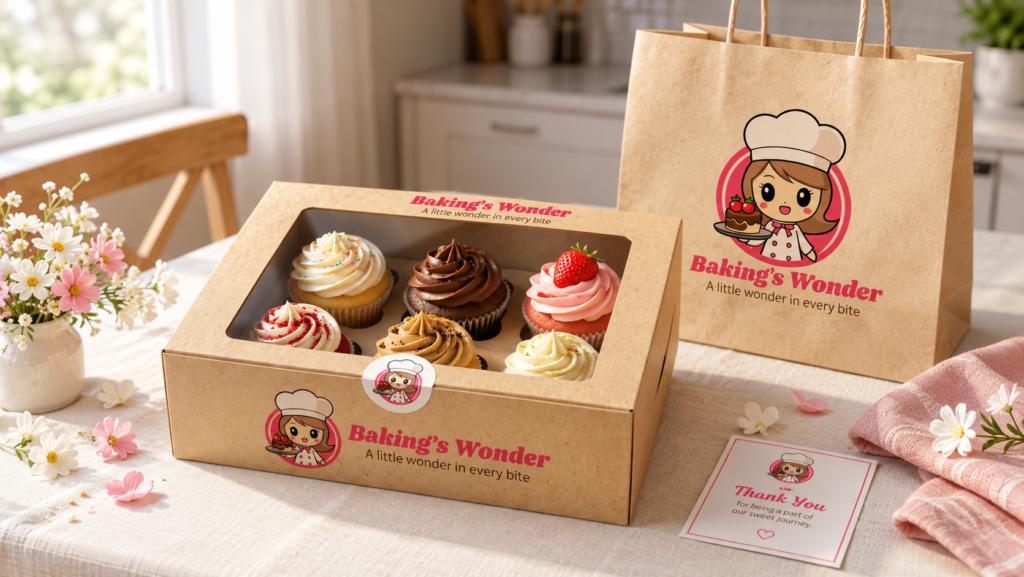
Homemade cupcakes are one of the easiest and most enjoyable baked treats to make at home. They are simple enough for beginners, versatile enough for experienced bakers, and suitable for birthdays, celebrations, family gatherings, school events, or an ordinary day when you want something sweet.
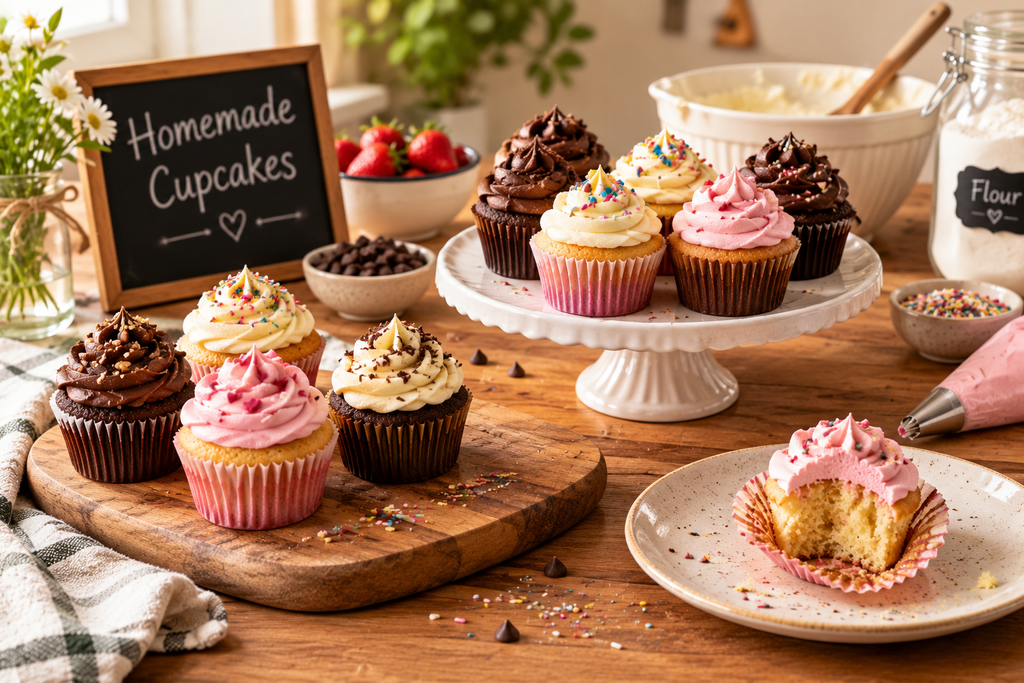
Unlike many complicated desserts, cupcakes can be prepared with basic kitchen ingredients and equipment. With the right measurements, proper mixing, and suitable baking time, you can create cupcakes that are soft, moist, flavorful, and attractive.
Another advantage of homemade cupcakes is flexibility. You can choose the flavor, sweetness, frosting, filling, decoration, and portion size according to your preferences. You can also experiment with different ingredients to create chocolate, vanilla, fruit, red velvet, coffee, or other varieties.
This guide explains everything you need to know about homemade cupcakes, from selecting ingredients and preparing the batter to baking, decorating, storing, and serving them.
What Are Homemade Cupcakes?
Homemade cupcakes are small individual cakes prepared and baked at home, usually in a muffin or cupcake tray lined with paper cases.
The basic ingredients often include flour, sugar, eggs, butter or oil, milk, and a leavening ingredient such as baking powder or baking soda. Flavorings such as vanilla, cocoa, cinnamon, coffee, fruits, or chocolate can be added depending on the recipe.
Cupcakes are different from a single large cake mainly because they are portioned individually. This makes them convenient to serve and decorate.
Why Make Homemade Cupcakes?
There are several reasons homemade cupcakes remain popular.
Complete Control Over Ingredients
When you make cupcakes at home, you know what goes into the batter and frosting. You can select the ingredients based on your preferences and dietary needs.
For example, you can choose:
- Different types of flour
- Butter or suitable cooking oil
- Milk or alternative ingredients
- Different flavorings
- Chocolate or cocoa
- Fresh or dried fruits
- Different frosting styles
If you have food allergies or dietary restrictions, carefully checking every ingredient and preparation surface is important.
Customizable Flavors
Store-bought cupcakes may have limited flavor options, while homemade cupcakes allow you to experiment.
You can make classic vanilla cupcakes, rich chocolate cupcakes, fruity cupcakes, coffee-flavored cupcakes, or combinations of different flavors.
Freshness
Freshly baked cupcakes have a soft texture and pleasant aroma. Making them at home allows you to serve them shortly after baking or prepare them specifically for an occasion.
Personal Decoration
Cupcakes provide an excellent opportunity to be creative. You can decorate them with frosting, sprinkles, chocolate pieces, fruit, edible decorations, or simple designs.
Essential Ingredients for Homemade Cupcakes
Understanding the purpose of each ingredient can help you make better cupcakes.
Flour
Flour provides much of the structure of a cupcake. All-purpose flour is commonly used in many cupcake recipes.
Measuring flour accurately is important. Too much flour can result in cupcakes that are dense or dry, while too little may affect their structure.
Sugar
Sugar contributes sweetness, but it also affects texture, moisture, browning, and overall flavor.
The amount and type of sugar can influence the final result, so it is generally better to follow a tested recipe rather than changing the quantity significantly.
Eggs
Eggs help provide structure and can contribute to moisture and richness.
Room-temperature eggs are often easier to incorporate into cake batter, although the exact method depends on the recipe.
Butter or Oil
Fat contributes to tenderness and flavor. Butter can provide a rich taste, while oil often helps create a soft and moist texture.
Different recipes use different types and quantities of fat, so substitutions should be made carefully.
Milk
Milk contributes moisture and helps create a smooth batter. Depending on the recipe, other dairy or non-dairy liquids may also be used.
Baking Powder or Baking Soda
Leavening agents help cupcakes rise during baking.
The correct amount matters. Too much can affect the taste and structure, while too little may result in cupcakes that do not rise properly.
Vanilla and Other Flavorings
Vanilla extract is commonly used in vanilla cupcakes and can also improve the flavor of chocolate and other varieties.
Other flavorings can include coffee, cinnamon, citrus zest, coconut, or almond flavoring.
Popular Homemade Cupcake Flavors
One of the best things about homemade cupcakes is the variety of flavors you can create.
Vanilla Cupcakes
Vanilla cupcakes are a classic choice. Their mild flavor works well with buttercream, whipped frosting, chocolate frosting, fruit toppings, or simple decorations.
They are also a good starting point for beginners.
Chocolate Cupcakes
Chocolate cupcakes are made using cocoa powder, melted chocolate, or both.
They pair particularly well with chocolate frosting, vanilla buttercream, cream-based toppings, or chocolate ganache.
Red Velvet Cupcakes
Red velvet cupcakes typically have a mild cocoa flavor and a distinctive color. They are commonly paired with cream cheese frosting.
Because the flavor and texture depend heavily on the recipe, following the ingredient ratios carefully is important.
Strawberry Cupcakes
Fresh or processed strawberry ingredients can be incorporated into cupcake batter or frosting.
Strawberry cupcakes can be decorated with small pieces of fresh fruit when appropriate.
Lemon Cupcakes
Lemon cupcakes have a bright citrus flavor and can be paired with vanilla, cream cheese, or lemon frosting.
Using fresh lemon zest can provide a stronger natural citrus aroma.
Coffee Cupcakes
Coffee-flavored cupcakes can be made using brewed coffee, instant coffee, or espresso powder, depending on the recipe.
Coffee and chocolate also work well together, making mocha cupcakes another popular variation.
How to Make Homemade Cupcakes
While recipes vary, the general process follows a few basic steps.
Step 1: Prepare Your Ingredients
Measure all ingredients before beginning.
This makes the process easier and reduces the chance of forgetting an ingredient.
If the recipe recommends room-temperature ingredients, allow them enough time to reach the appropriate temperature.
Step 2: Prepare the Oven
Preheat the oven according to the recipe.
An oven that has not reached the correct temperature can affect the rise and texture of cupcakes.
Step 3: Prepare the Cupcake Tray
Place cupcake liners into the tray.
Avoid filling the liners too much. Most recipes provide guidance on how full each liner should be.
Step 4: Mix the Dry Ingredients
Flour, baking powder, baking soda, cocoa powder, and other dry ingredients are often combined separately.
Sifting can help remove lumps and distribute ingredients more evenly.
Step 5: Mix the Wet Ingredients
Depending on the recipe, butter and sugar may be creamed together before eggs and flavorings are added.
Other recipes use oil and liquid ingredients.
Follow the mixing method specified by the recipe because different techniques produce different textures.
Step 6: Combine Wet and Dry Ingredients
Add the dry ingredients to the wet mixture gradually.
Avoid excessive mixing once the flour has been incorporated. Overmixing can contribute to a tougher or denser texture.
Step 7: Fill the Liners
Divide the batter evenly between the cupcake liners.
Consistent portions help the cupcakes bake at a similar rate and produce a more uniform appearance.
Step 8: Bake
Place the tray in the preheated oven and bake according to the recipe.
Avoid repeatedly opening the oven door because temperature changes can affect baking.
Step 9: Check for Doneness
A common method is to insert a toothpick or skewer into the center of a cupcake.
If it comes out clean or with a few moist crumbs, the cupcake may be ready. Follow the recipe’s recommended baking time and doneness test.
Step 10: Cool Completely
Allow cupcakes to cool before decorating.
Frosting warm cupcakes can cause the frosting to melt or slide off.
Common Mistakes When Making Homemade Cupcakes
Even a simple cupcake recipe can go wrong if a few important details are overlooked.
Overmixing the Batter
Mixing too much after adding flour can affect the texture.
Mix only until the ingredients are combined according to the recipe instructions.
Incorrect Measurements
Baking is sensitive to ingredient ratios.
Using significantly more or less flour, liquid, sugar, or leavening agent can change the final result.
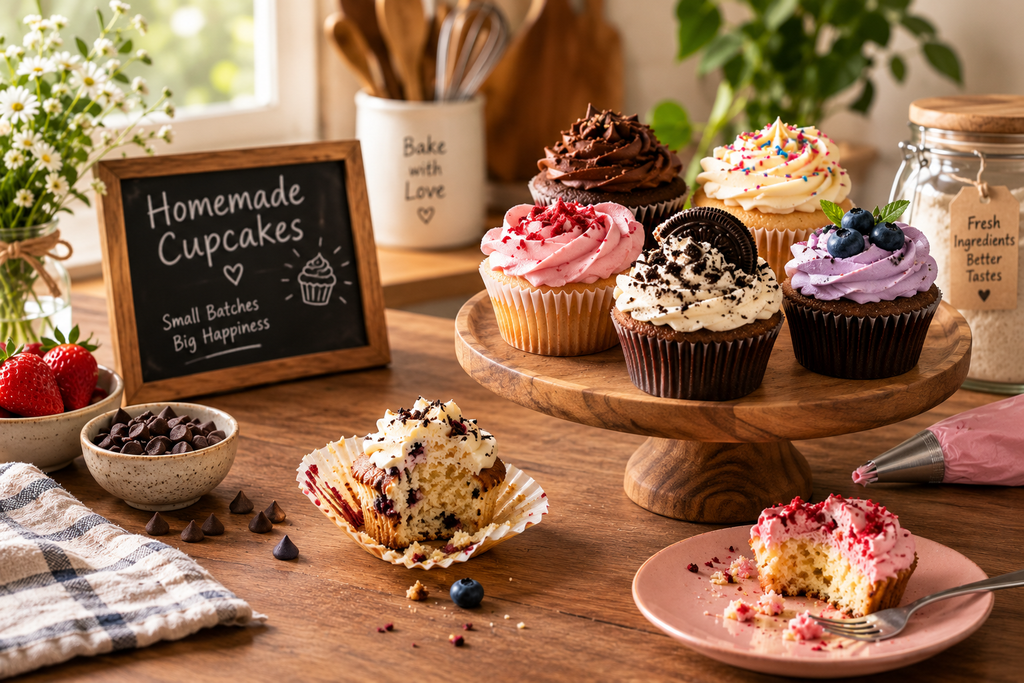
For better consistency, use a kitchen scale when a recipe provides ingredient weights.
Incorrect Oven Temperature
Ovens can vary in actual temperature.
If your cupcakes regularly bake too quickly, remain undercooked, or brown excessively, an oven thermometer can help you understand whether the oven is reaching the expected temperature.
Opening the Oven Too Often
Frequently opening the oven can cause heat loss.
Try to keep the oven closed during most of the baking process and check the cupcakes near the recommended minimum baking time.
Frosting Before Cooling
Always allow cupcakes to cool sufficiently before applying frosting.
Otherwise, even a well-prepared frosting can become soft or melt.
How to Make Cupcakes Moist
A moist cupcake is usually the result of the right ingredient balance and baking technique.
Some helpful practices include:
- Measure ingredients accurately.
- Avoid adding excessive flour.
- Follow the recipe’s liquid measurements.
- Avoid overbaking.
- Do not overmix the batter.
- Store cooled cupcakes properly.
The exact method depends on the recipe. Ingredients such as oil, butter, milk, yogurt, or other dairy products can affect moisture and texture differently.
Homemade Cupcake Frosting Ideas
Frosting can completely change the appearance and flavor of a cupcake.
Buttercream
Buttercream is one of the most popular cupcake frostings. It can be flavored with vanilla, chocolate, coffee, fruit, or other ingredients.
It is also suitable for piping decorative designs.
Cream Cheese Frosting
Cream cheese frosting has a tangy, creamy flavor and pairs particularly well with red velvet, carrot, spice, and some fruit cupcakes.
Because cream cheese is perishable, cupcakes topped with it should be stored according to appropriate food-safety guidance.
Chocolate Ganache
Chocolate ganache can provide a rich chocolate topping. Depending on the ratio of chocolate to cream and how it is prepared, it can be used as a glaze, filling, or thicker topping.
Whipped Topping
A light whipped topping can work well with fruit-flavored cupcakes.
It is best used and stored according to the ingredients involved because dairy-based toppings require appropriate temperature control.
Decorating Homemade Cupcakes
You do not need advanced decorating skills to make cupcakes look attractive.
Simple options include:
- Sprinkles
- Chocolate shavings
- Small fruit pieces
- Crushed cookies
- Cocoa powder
- Colored sugar
- Piped frosting
- Mini chocolate chips
For birthdays and celebrations, you can coordinate the decoration with the event’s theme.
If you are making cupcakes for children, keep decorations age-appropriate and avoid small hard decorations when they could present a choking risk.
Homemade Cupcakes for Special Occasions
Cupcakes are suitable for many events because they are individually portioned and easy to serve.
Birthdays
Birthday cupcakes can be decorated with colorful frosting, sprinkles, chocolate, or themed decorations.
You can make one flavor for everyone or provide several varieties.
Family Gatherings
For family gatherings, a selection of classic flavors such as vanilla and chocolate can work well.
If guests have dietary restrictions, clearly identify suitable options.
School Events
When preparing cupcakes for a school event, check the school’s food policies and consider common allergies.
Clear labeling can help adults identify ingredients and make appropriate choices.
Parties
Cupcakes are convenient party desserts because guests can take individual servings without cutting a large cake.
They can also be arranged on a decorative stand for presentation.
How to Store Homemade Cupcakes
Proper storage helps maintain quality and food safety.
Unfrosted cupcakes can often be stored in an airtight container at room temperature for a short period, depending on the recipe and environmental conditions.
Cupcakes containing perishable fillings or frostings may require refrigeration.
Keep cupcakes protected from moisture, heat, dust, and strong odors.
When refrigerating cupcakes, use a suitable airtight container to help prevent them from drying out or absorbing other food odors.
Before serving refrigerated cupcakes, allow them to reach a suitable serving temperature when appropriate for the recipe.
Can Homemade Cupcakes Be Frozen?
Many cupcakes can be frozen successfully, especially when they are unfrosted.
To freeze cupcakes:
- Allow them to cool completely.
- Wrap them appropriately to reduce exposure to air.
- Place them in a suitable freezer-safe container.
- Label the container with the date.
- Thaw them according to the recipe or storage guidance.
Frosting can sometimes be prepared separately and added after the cupcakes have thawed.
Not every frosting or filling freezes equally well, so check the specific ingredients before freezing decorated cupcakes.
How to Make Homemade Cupcakes More Consistent
If you plan to make cupcakes regularly, consistency becomes increasingly important.
Use the same measuring methods each time, keep notes about successful recipes, and pay attention to baking time.
A kitchen scale can improve accuracy, especially when working with flour and other dry ingredients.
You can also record:
- Oven temperature
- Baking time
- Number of cupcakes
- Ingredient quantities
- Frosting amount
- Storage method
Keeping simple notes makes it easier to repeat a successful batch.
Homemade Cupcakes vs. Store-Bought Cupcakes
Both homemade and professionally prepared cupcakes have advantages.
Homemade cupcakes offer greater control over ingredients, flavors, sweetness, and decoration.
Store-bought cupcakes offer convenience and can be especially useful when you need a large quantity or professional decoration without spending time baking.
The better choice depends on your available time, baking experience, budget, and specific requirements.
Food Safety Tips for Homemade Cupcakes
Food safety should always be considered when preparing baked goods.
Wash your hands and use clean utensils and surfaces before preparing the batter.
Store ingredients according to their recommended conditions and pay attention to expiration dates.
Ingredients such as eggs, milk, cream, cream cheese, and other perishable products should be handled appropriately.
If cupcakes contain perishable fillings or toppings, store them at a safe temperature and avoid leaving them unrefrigerated for extended periods.
When serving cupcakes to others, particularly at gatherings, provide ingredient and allergen information when possible.
Tips for Beginners
If you are making homemade cupcakes for the first time, start with a simple recipe.
Vanilla cupcakes are a useful starting point because the ingredients and process are relatively straightforward.
Once you understand the basic process, you can experiment with:
- Chocolate
- Fruit
- Coffee
- Coconut
- Nuts
- Spices
- Different frostings
- Decorative toppings
Change one major element at a time so you can understand how it affects the final result.
Frequently Asked Questions About Homemade Cupcakes
How long do homemade cupcakes stay fresh?
Storage time depends on the ingredients, frosting, filling, and storage conditions. Plain cupcakes generally have different storage requirements from cupcakes containing dairy-based or other perishable toppings.
Follow the recipe or bakery’s storage guidance for the specific cupcake.
Why do my cupcakes sink in the middle?
Several factors can contribute to sinking, including underbaking, incorrect ingredient ratios, excessive liquid, overmixing, or opening the oven too early.
Using accurate measurements and following the recipe carefully can help prevent common problems.
Why are my homemade cupcakes dry?
Dry cupcakes can result from too much flour, insufficient liquid or fat, overmixing, or overbaking.
Check your measurements and baking time if your cupcakes repeatedly turn out dry.
Can I make cupcakes without eggs?
Yes, there are many eggless cupcake recipes. However, eggs contribute structure and moisture, so replacing them requires an appropriate recipe or tested egg substitute rather than simply removing them.
What is the best frosting for homemade cupcakes?
There is no single best frosting. Buttercream is versatile, cream cheese frosting works well with certain flavors, and chocolate ganache is useful for richer chocolate desserts.
Choose frosting based on the cupcake flavor and occasion.
Final Thoughts
Homemade cupcakes are a practical and enjoyable baking project that can be adapted to almost any occasion. From simple vanilla cupcakes to rich chocolate, fruit, coffee, and red velvet varieties, there are countless ways to create something delicious at home.
The most important factors are accurate measurements, appropriate mixing, correct oven temperature, careful baking, and proper storage. Once you understand these basics, you can confidently experiment with flavors, fillings, frostings, and decorations.
Whether you are baking for a birthday, family gathering, school event, celebration, or simply because you want a fresh dessert, homemade cupcakes offer an easy way to create individually portioned treats with plenty of room for creativity.
Start with a reliable recipe, use quality ingredients, avoid rushing the process, and pay attention to how each batch turns out. With practice, you can develop your own favorite cupcake recipes and techniques that make every batch more consistent, flavorful, and enjoyable.