
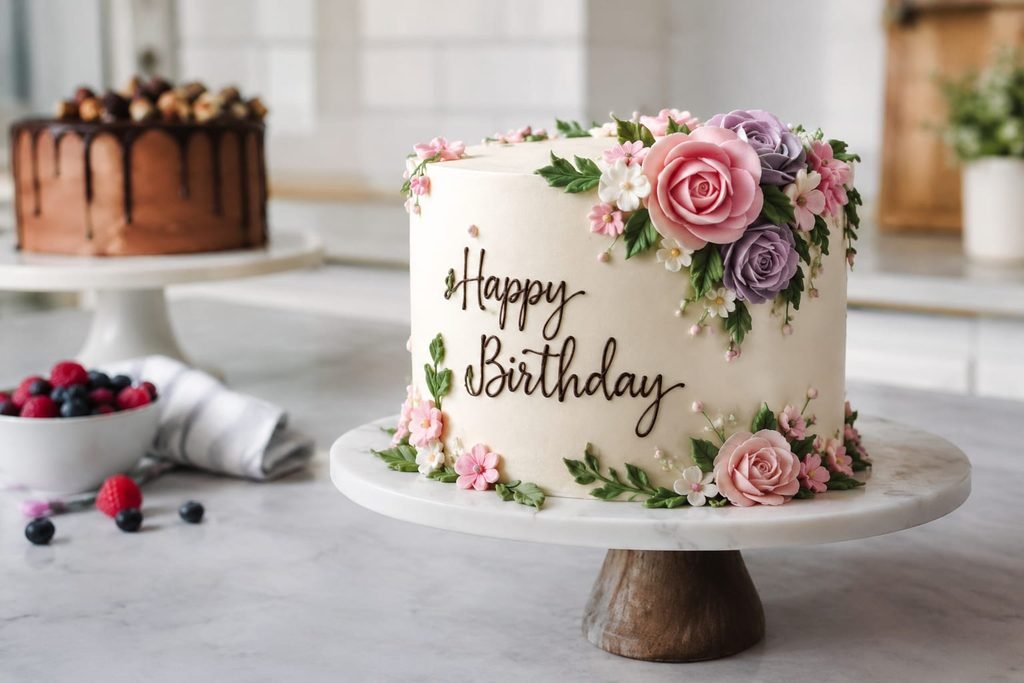
Bakings have become an important part of everyday food culture, offering everything from simple breads and flaky pastries to cakes, cookies, muffins, and celebration desserts. Whether you enjoy a freshly baked croissant with your morning coffee or order a beautifully decorated cake for a special occasion, well-made baked goods can make ordinary moments feel a little more enjoyable.
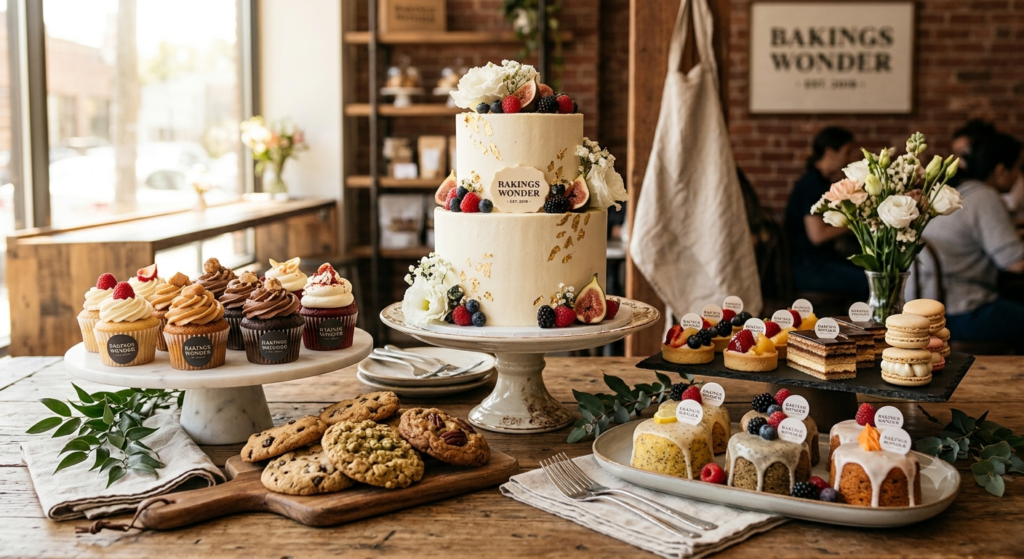
The quality of any baking product depends on much more than its appearance. Ingredient selection, accurate measurements, preparation methods, oven temperature, baking time, storage, and freshness all contribute to the final result. Even a small change in ingredients or technique can affect the texture, flavour, and appearance of the finished product.
Understanding these basics can help customers make better choices when purchasing baked products and can also help beginners appreciate the skill involved in professional baking.
What Are Bakings?
The term “bakings” can refer broadly to baked food products prepared using controlled heat in an oven or similar baking equipment. These products can include breads, cakes, pastries, cookies, muffins, pies, tarts, brownies, and many other recipes.
Although the ingredients vary from one product to another, common baking ingredients include flour, sugar, butter or other fats, eggs, milk, cream, yeast, baking powder, baking soda, chocolate, fruits, nuts, and flavouring ingredients.
Each ingredient serves a specific purpose. Flour can provide structure, eggs can contribute moisture and stability, fats can improve tenderness and flavour, while raising agents can help create a lighter texture.
The way these ingredients are combined is equally important. Baking is both a creative activity and a process that depends on accuracy.
Why Bakings Requires Precision
Unlike some forms of cooking where ingredients can be adjusted easily during preparation, baking often depends on precise ratios.
Changing the quantity of flour, liquid, sugar, fat, or raising agents can significantly affect the final product.
For example, too much flour can produce a dense or dry cake, while too much liquid may result in an unstable mixture. Incorrect amounts of baking powder or baking soda can also affect how a product rises.
Temperature matters as well. An oven that is too hot can cause the outside of a cake or pastry to brown before the inside is properly baked. A temperature that is too low can lead to poor structure, uneven baking, or excessive drying.
For this reason, reliable bakeries generally follow carefully developed recipes and controlled preparation procedures.
The Role of Ingredients in Baking
The quality and condition of ingredients have a direct effect on baked products.
Flour
Flour for bakings provides much of the structure in breads, cakes, cookies, and pastries. Different types of flour contain different levels of protein, which can affect gluten development and texture.
Bread recipes may require flour that provides enough structure for yeast fermentation, while cakes often benefit from a softer flour or a carefully balanced recipe.
Butter and Other Fats
Butter for bakings contributes flavour, richness, tenderness, and texture. In laminated products such as croissants, the way butter is incorporated and layered can have a major effect on the finished product.
Other fats can also be used depending on the recipe and desired result.
Eggs
Eggs for bakings contribute structure, moisture, colour, and richness. They can also help emulsify ingredients and support the texture of cakes and other baked goods.
The way eggs are incorporated can affect the final result. For example, whipped eggs can introduce air into certain recipes.
Sugar
Sugar for bakings provides sweetness, but it also influences colour, moisture, texture, and browning.
Reducing sugar is not always as simple as making a product less sweet because sugar can play several functional roles in baking.
Yeast and Raising Agents
Yeast is commonly used in bread and other fermented doughs. It produces gases during fermentation, helping dough expand.
Baking powder and baking soda are chemical leavening agents commonly used in cakes, muffins, cookies, and other recipes.
Choosing the appropriate raising method depends on the recipe and the desired texture.
Different Types of Bakings to Explore
The world of baking includes a wide variety of products. Each category involves different ingredients and techniques.
Cakes
Cakes are among the most popular baked products and are commonly prepared for birthdays, anniversaries, celebrations, and everyday desserts.
Popular varieties include chocolate cake, vanilla cake, red velvet, fruit cake, coffee cake, and layered cream cakes.
A good cake should have an appropriate texture for its style. Sponge cakes should generally be light and soft, while richer cakes may have a denser and more indulgent structure.
Frosting and fillings should complement the cake rather than overpower it.
Pastries
Pastries include a broad range of baked products, from cream-filled desserts to laminated dough products.
Croissants, Danish pastries, puff pastries, tarts, and various cream pastries fall within this broad category.
Pastry quality depends heavily on dough preparation, fat incorporation, temperature control, and baking.
Laminated pastries are particularly dependent on proper layering. The dough and butter must be handled carefully so that distinct layers can develop during baking.
Bread
Bread is one of the oldest and most widely consumed baked foods.
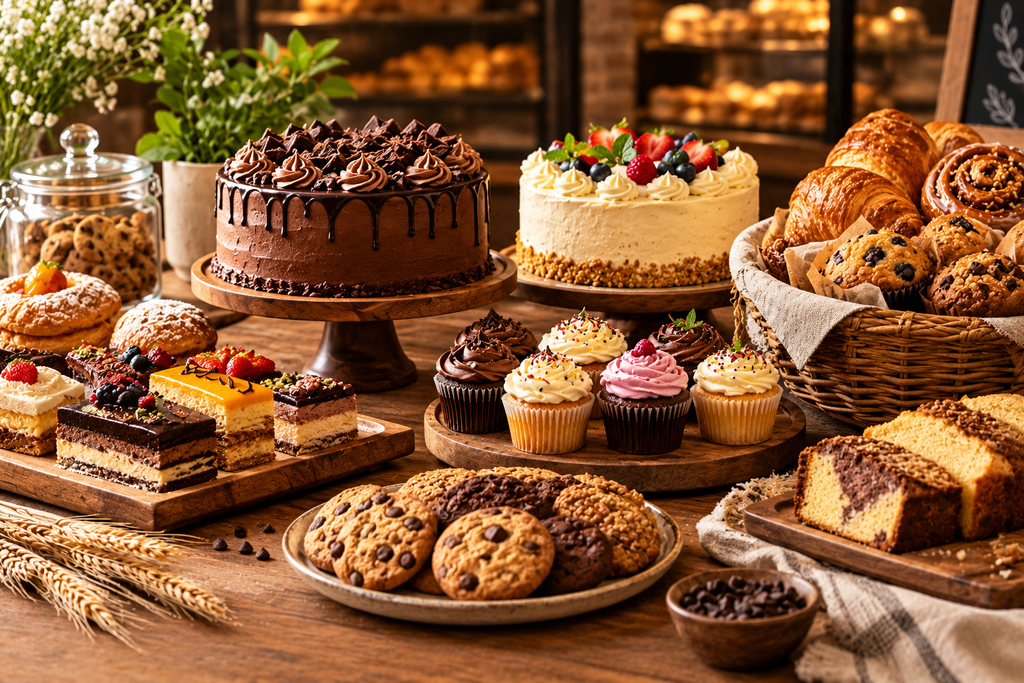
Its preparation may involve flour, water, yeast, salt, and sometimes additional ingredients such as milk, butter, seeds, grains, or herbs.
Fermentation is particularly important in yeast-based bread. During fermentation, yeast produces gases that help the dough rise and develop flavour.
The amount of fermentation time can influence both the structure and flavour of the final loaf.
Cookies
Cookies are popular because of their variety and convenience.
They can be soft, chewy, crisp, crunchy, or somewhere between these textures.
Chocolate chips, nuts, oats, dried fruit, spices, and other ingredients can be incorporated according to the recipe.
Baking time is especially important for cookies. A difference of only a few minutes can change the final texture considerably.
Muffins
Muffins are convenient individual baked goods that can be prepared with sweet or savoury ingredients.
Popular varieties include chocolate, blueberry, banana, bran, and mixed-fruit muffins.
Overmixing muffin batter can sometimes produce a tougher texture. Careful mixing helps preserve the desired crumb.
Brownies
Brownies occupy a space between cakes and cookies. They can be fudgy, chewy, or more cake-like depending on the recipe.
Chocolate, cocoa, butter, eggs, and sugar form the foundation of many brownie recipes.
Baking time plays a major role. Slightly shorter baking can produce a softer centre, while longer baking can create a firmer texture.
What Makes Professional Bakings Different?
Professional baking involves consistency.
A bakery may need to produce dozens or hundreds of products while maintaining similar flavour, texture, appearance, and portion size.
The bakings requires more than following a recipe. Bakers need to manage ingredient storage, preparation schedules, equipment, temperature, proofing, baking times, cooling, finishing, and packaging.
In bakings consistency is especially important for customers who return to a bakery expecting the same product quality each time.
Professional kitchens may also use equipment designed for larger-scale production, including mixers, proofing equipment, ovens, refrigeration systems, and temperature-controlled storage.
The Importance of Freshness
Freshness can have a noticeable effect on baked goods.
Bread may develop a better crust when freshly baked, while pastries can have a more appealing texture when consumed within an appropriate period.
Cream-based desserts, custards, mousses, and fresh-fruit products require particular attention to storage.
Not every baked product needs to be consumed immediately after baking. Many products remain enjoyable when stored correctly.
The important point is that each product should be stored according to its characteristics. Proper packaging can also help protect texture and prevent unwanted moisture loss.
How to Identify Quality Baked Products
When buying baked goods, there are several characteristics worth considering.
Appearance (Bakings)
A well-made product should generally have an appearance appropriate to its type.
Bread may have an evenly baked crust, while a pastry may have visible layers. Cakes should have an even finish, and cookies should have a consistent shape and colour.
Appearance alone does not guarantee quality, but it can provide useful clues.
Texture (Bakings)
Texture is one of the easiest ways to evaluate baked products.
A cake that should be soft but feels excessively dry may have been overbaked or stored for too long. A croissant that lacks layers may not have been laminated or baked properly.
Texture should match the type of product being served.
Aroma
Freshly baked goods often have a noticeable aroma created by ingredients and the baking process.
Bread, butter, chocolate, spices, coffee, vanilla, and fruit can each contribute to the overall aroma.
An appealing aroma can enhance the eating experience before the first bite.
Flavour Balance
A quality baked product should have balanced flavours.
Sweetness should complement rather than hide the main ingredients. Chocolate should taste like chocolate, fruit should contribute freshness, and spices should remain noticeable without becoming overwhelming.
Baking and Food Safety
Food safety is an essential part of professional baking.
Ingredients should be stored appropriately, preparation areas should be kept clean, and products requiring refrigeration should be maintained at suitable temperatures.
Cream, custard, mousse, dairy-based fillings, and fresh fruit can be more sensitive to temperature and handling than dry baked goods.
Customers with allergies should also check ingredient information before purchasing. Common allergens can include wheat, milk, eggs, nuts, peanuts, soy, and other ingredients.
If a product is being purchased for someone with a known allergy, it is important to ask the bakery about ingredients and potential cross-contact rather than relying solely on the product’s appearance or name.
How to Store Baked Goods at Home
Correct storage can help preserve the quality of baked products.
Bread is generally best kept according to the storage recommendations appropriate to its type. Cakes and pastries containing perishable fillings may require refrigeration.
Cookies and dry baked products may need airtight containers to help maintain their texture.
If you purchase a cream-filled pastry or cake, ask the bakery about storage instructions and recommended consumption time.
Avoid leaving perishable products in warm conditions for extended periods.
Choosing Baked Goods for Different Occasions
Different occasions call for different types of baking products.
For everyday snacking, cookies, muffins, brownies, and individual pastries can be convenient.
For birthdays, cakes and assorted pastries are popular options.
For office meetings, individually portioned products such as muffins, cookies, brownies, and pastries can be easier to serve.
For family gatherings, a mixed selection allows people to choose different flavours and textures.
The best choice depends on the number of guests, the type of event, available storage, and personal preferences.
Why Fresh Baking Can Improve the Experience
Freshly prepared baked products often offer a combination of aroma, texture, and flavour that can be difficult to reproduce after prolonged storage.
A freshly baked croissant may have a crisp exterior and tender interior. A fresh cake can have a softer crumb, while recently baked bread can have a more appealing crust.
However, freshness should always be considered together with proper storage and food handling. A product does not automatically become better simply because it was prepared recently if it has not been stored appropriately.
Tips for Buying Bakings Online
Online ordering has made baked products more accessible and convenient.
Before placing an order, consider the product description, portion size, ingredients, storage requirements, delivery time, and packaging.
For delicate products, transportation can affect appearance and texture. Cream decorations, layered pastries, and fragile desserts may require careful packaging.
If the order is for an important event, ordering ahead can provide additional time to address any unexpected delivery issues.
The Growing Variety of Modern Baking
Modern bakeries continue to experiment with flavours, textures, and presentation.
Traditional recipes are often combined with contemporary ingredients and techniques. Customers may find products featuring combinations such as chocolate and coffee, fruit and cream, caramel and nuts, or spices and chocolate.
There is also increasing interest in products designed around different dietary preferences. Depending on the bakery, customers may find eggless, vegetarian, reduced-sugar, or other specialised options.
When choosing such products, it is still important to confirm the ingredients and preparation methods rather than assuming that a product meets a particular dietary requirement.
Final Thoughts
Bakings cover an enormous range of foods, from everyday bread and cookies to elaborate pastries and celebration cakes. Behind every well-made baked product are carefully selected ingredients, accurate preparation, controlled baking, appropriate storage, and attention to detail.
For customers, understanding these factors makes it easier to recognise quality and choose products that match their preferences.
Whether you enjoy a flaky croissant, a rich chocolate cake, a soft muffin, a crisp cookie, or a freshly baked loaf of bread, good baking is ultimately about achieving the right balance of flavour, texture, freshness, and presentation.
As bakeries continue to combine traditional methods with modern ideas, there are more baked products than ever to explore. Taking the time to understand what goes into each product can make every baking experience more enjoyable from choosing a simple snack to selecting desserts for an important celebration.