
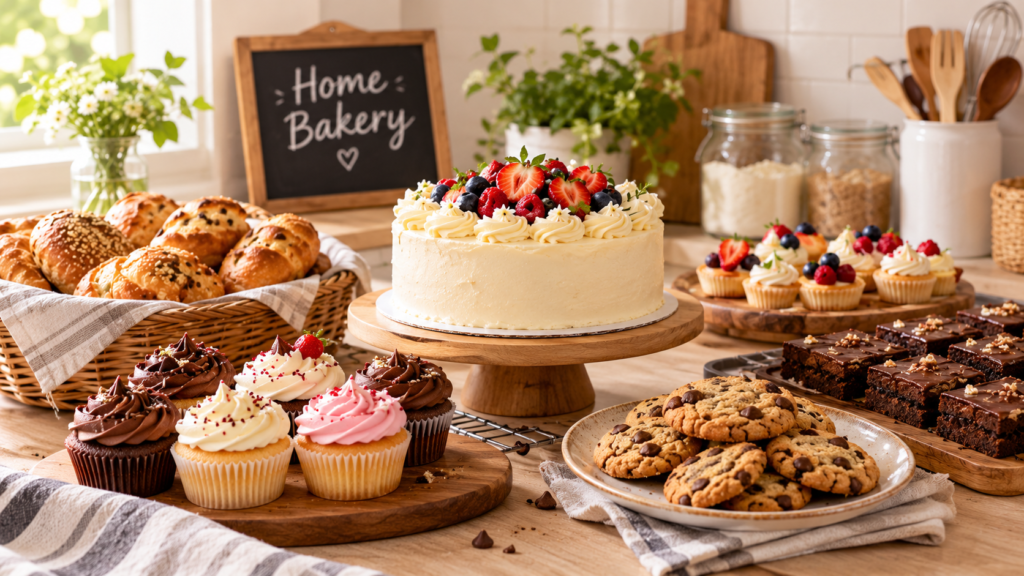
Introduction to Home Bakery
A home bakery is more than a place where cakes, cookies, breads, and pastries are prepared. It is a small business built around creativity, quality ingredients, personal attention, and the joy of sharing freshly baked treats. Unlike large commercial bakeries, a home bakery often offers a more personalized experience, allowing customers to order baked goods for birthdays, anniversaries, festivals, family gatherings, corporate events, and other special occasions.
Home bakeries have become increasingly popular among people who appreciate freshly prepared products, customized designs, and the convenience of ordering directly from a local baker. Whether someone is looking for a beautifully decorated birthday cake, a box of handmade cookies, a loaf of freshly baked bread, or an assortment of desserts for a celebration, a home bakery can provide options tailored to individual preferences.
One of the most appealing aspects of a home bakery is its flexibility. Customers can often choose flavors, fillings, decorations, portion sizes, and packaging according to their requirements. From traditional recipes to modern dessert trends, home bakers can create products that suit different tastes and occasions.
At the heart of every successful home bakery are consistent quality, careful preparation, attention to detail, and a genuine commitment to customer satisfaction. These qualities help turn an occasional purchase into a lasting relationship between the baker and the customer.
What Is a Home Bakery?
A home bakery is a baking business operated from a residential kitchen or a dedicated baking space within a home, subject to applicable local regulations. It typically produces baked goods on a small scale and sells them through direct orders, social media, websites, local delivery services, or word-of-mouth recommendations.
Unlike a conventional bakery with a storefront and daily walk-in customers, many home bakeries operate primarily through advance orders. This approach allows bakers to plan ingredient purchases, manage preparation schedules, reduce unnecessary waste, and devote more attention to individual orders.
Home bakeries may specialize in a particular product, such as custom cakes, artisan bread, cupcakes, or cookies. Others offer a broader menu that includes brownies, cheesecakes, muffins, tea cakes, dessert jars, pastries, and seasonal treats.
The defining feature of a home bakery is not simply its location. It is the combination of small-scale production, personalized service, and the opportunity to develop distinctive recipes and products.
For customers, this can mean a more direct connection with the person preparing their food. They can discuss their preferences, communicate dietary requirements, select designs, and receive recommendations based on the occasion and the number of guests.
Freshly Baked Products for Every Occasion
A home bakery can offer a wide selection of products for everyday enjoyment and special celebrations. The best menu depends on the baker’s expertise, available equipment, customer preferences, and ability to maintain consistent quality.
- Custom Cakes
Custom cakes are among the most popular products offered by home bakeries. They can be prepared for birthdays, anniversaries, weddings, baby showers, engagements, graduations, and other milestones.
Customers can choose from different cake flavors, including chocolate, vanilla, red velvet, butterscotch, fruit, coffee, and other specialty options. Fillings may include chocolate ganache, fruit preparations, buttercream, or other suitable ingredients.
Cake designs can range from simple and elegant finishes to themed decorations inspired by hobbies, favorite colors, characters, or event concepts. Depending on the baker’s skills and available equipment, options may include floral decorations, textured finishes, personalized messages, and multi-tier designs.
When ordering a custom cake, customers should communicate the event date, number of servings, preferred flavors, design references, budget, and any relevant dietary requirements. Providing these details early helps the baker recommend an appropriate size and design.
- Cupcakes and Muffins
Cupcakes are convenient individual desserts that work well for parties, office celebrations, school events, and family gatherings. They can be decorated to match an event’s theme or presented in assorted flavors.
Muffins offer another versatile option. Depending on the recipe, they can include fruit, chocolate, nuts, spices, or other ingredients. Customers looking for breakfast or snack options may appreciate a selection of freshly prepared muffins.
Because cupcakes and muffins are portioned individually, they can be easier to distribute at events than a large cake. They can also be packaged in gift boxes for birthdays, celebrations, and informal gatherings.
- Cookies and Biscuits
Cookies are a practical choice for everyday snacking, gifting, and festive celebrations. A home bakery may offer chocolate chip cookies, butter cookies, oatmeal cookies, shortbread, double-chocolate cookies, and seasonal varieties.
Texture is an important part of cookie quality. Some customers prefer soft and chewy cookies, while others enjoy crisp edges and a crunchy finish. Consistent ingredient measurements, mixing methods, baking temperatures, and cooling times help create the intended texture.
Cookies can be packaged in small boxes, gift hampers, or assorted collections. Clear information about ingredients, allergens, storage, and shelf life helps customers make informed decisions.
- Breads and Savory Bakes
A home bakery does not need to focus exclusively on sweet products. Freshly prepared breads, dinner rolls, savory buns, and selected savory pastries can provide additional variety.
Depending on the baker’s expertise, the menu may include whole-wheat bread, sandwich loaves, herb breads, stuffed buns, or specialty breads. Customers who prefer less sweetness may appreciate having savory options available.
Bread quality depends on factors such as flour selection, hydration, kneading, fermentation, proofing, and baking. Small adjustments in these variables can influence flavor, texture, crust development, and the final appearance.
Artisan-style breads may require longer preparation times than simple quick breads. For this reason, advance ordering can help ensure that products are prepared according to the intended schedule.
- Brownies, Dessert Jars, and Pastries
Brownies, dessert jars, cheesecakes, tarts, and pastries can make a home bakery menu more appealing to customers seeking something beyond traditional cakes and cookies.
Brownies may range from rich, fudgy varieties to lighter, cake-like versions. Dessert jars can combine layers of cake, cream, fruit, chocolate, or other ingredients in individual portions.
Pastries and cream-based desserts require particular attention to handling and storage because some fillings and toppings are more perishable than others. Preparation methods, refrigeration, packaging, and delivery conditions should be appropriate for each product.
Offering a balanced menu with a manageable number of products can help a home baker maintain quality while responding to different customer preferences.
The Importance of Quality Ingredients
Ingredients play a major role in the taste, texture, appearance, and consistency of baked goods. A well-developed recipe depends on using suitable ingredients in the correct proportions and handling them properly.
Flour provides structure in many baked products. Different types of flour have different protein contents and baking characteristics, so choosing the right variety matters. Cake recipes may require flour that produces a tender crumb, while bread recipes often benefit from flour with sufficient protein to develop an elastic structure.
Butter and other fats influence richness, tenderness, moisture retention, and flavor. Sugar contributes sweetness, but it also affects browning, moisture, and texture. Eggs can provide structure, emulsification, color, and richness, depending on the recipe.
Chocolate quality can strongly influence brownies, ganache, and chocolate cakes. Similarly, fresh fruit, dairy products, spices, nuts, and flavoring ingredients should be selected and stored according to their specific requirements.
Consistency also depends on accurate measurements. Measuring ingredients by weight, following tested recipes, and maintaining appropriate baking temperatures can help reduce variations between batches.
A home baker should avoid assuming that more expensive ingredients automatically produce better results. The most suitable ingredients are those that meet the recipe’s requirements, provide reliable quality, and deliver the flavor and texture customers expect.
Maintaining Hygiene and Food Safety
Cleanliness and safe food handling are essential responsibilities for any bakery, including one operated from home. Customers should be able to trust that their food is prepared, packed, stored, and delivered using appropriate hygiene practices.
A clean preparation area is a good starting point. Work surfaces, mixing bowls, baking trays, utensils, and equipment should be cleaned appropriately before and after use. Ingredients should be stored in suitable containers and protected from moisture, pests, and contamination.
Handwashing is important before preparing food and whenever hands may have become contaminated. Bakers should also avoid preparing food when they are experiencing symptoms that could create a food safety risk.
Raw ingredients and ready-to-eat products should be handled carefully to reduce cross-contamination. Special attention is necessary when working with eggs, dairy products, fresh fruit, cream fillings, and other perishable ingredients.
Temperature control is particularly important for products containing ingredients that require refrigeration. Such products should be kept at suitable temperatures during storage and transport. A delivery plan should account for travel time, weather conditions, packaging, and the sensitivity of the dessert.
Allergen awareness is equally important. Common allergens may include wheat, milk, eggs, peanuts, tree nuts, soy, and sesame. Customers should be able to obtain accurate ingredient information before placing an order.
A baker should not promise that a product is completely allergen-free unless appropriate controls and facilities support that claim. Even when a recipe excludes a particular ingredient, cross-contact may occur through shared utensils, equipment, or preparation surfaces.
Home bakery operators should also check the food business registration, licensing, labeling, hygiene, and other requirements applicable in their location. In India, this includes determining the relevant Food Safety and Standards Authority of India requirements and obtaining the appropriate registration or license where required.
Customization That Makes Every Order Special
Personalization is one of the strongest advantages of a home bakery. A cake or dessert box can be designed around a customer’s preferences rather than selected from a limited range of ready-made products.
For birthday celebrations, customers may request particular colors, themed decorations, personalized messages, or a favorite flavor combination. For anniversaries and weddings, they may prefer elegant designs, coordinated colors, floral details, or a particular finish.
Gift boxes can also be customized for festivals, thank-you gifts, housewarming celebrations, and corporate occasions. Depending on availability, customers may choose a combination of cookies, brownies, cupcakes, or other products.
However, successful customization requires clear communication. Customers should share reference images, preferred colors, serving requirements, budget, and delivery details when making an inquiry.
It is also helpful to understand that a reference photograph may serve as inspiration rather than a guarantee of an identical result. Differences in ingredients, equipment, available decorations, and the nature of handmade work can affect the final appearance.
Confirming the design, flavor, size, price, and collection or delivery time before production helps avoid misunderstandings. A clear ordering process benefits both the customer and the baker.
How to Choose the Right Home Bakery
Choosing a home bakery involves more than finding an attractive photograph of a cake. Customers should consider the quality of the products, communication, ordering policies, and the baker’s ability to meet their requirements.
Review the Menu and Product Details
Start by reviewing the available products, flavors, sizes, and customization options. A clear menu makes it easier to understand what the bakery offers and whether its specialties match the occasion.
Product descriptions should explain relevant details, including serving sizes, major ingredients, available flavors, and storage requirements where appropriate.
Look at Genuine Customer Feedback
Customer reviews can provide useful information about taste, freshness, presentation, communication, and order fulfillment. Look for detailed feedback that describes actual experiences rather than relying only on star ratings or promotional photographs.
Photographs of previous orders may also help customers understand the baker’s style and range of work. However, customers should remember that lighting, decoration, and presentation can vary between photographs and actual products.
Ask About Ingredients and Allergens
If someone has a food allergy, intolerance, or specific dietary requirement, they should discuss it before confirming an order. The baker should explain the ingredients used and the precautions that can reasonably be taken.
Customers should also clarify whether substitutions are available and whether a requested change may affect the taste, texture, design, or price.
Confirm Pricing and Delivery Details
Prices may depend on product size, ingredients, decoration complexity, packaging, and preparation time. A detailed quotation helps customers understand what is included in the order.
Delivery charges, minimum order values, advance payments, cancellation terms, and last-minute changes should be discussed beforehand. For important events, customers should place orders early enough to allow for planning and preparation.
Check Storage and Serving Instructions
Some baked goods are best enjoyed at room temperature, while others require refrigeration. Customers should follow the bakery’s product-specific storage and serving guidance.
For events, it is useful to know how far in advance a cake can be collected, how it should be transported, and when it should be taken out of refrigeration before serving.
Why Freshness and Consistency Matter
Freshness contributes significantly to the overall eating experience. The aroma of freshly baked bread, the texture of a well-prepared sponge cake, and the flavor of a properly baked cookie all depend on ingredients, preparation methods, and storage conditions.
However, freshness does not mean that every product must be consumed immediately after baking. Different products have different characteristics, and some benefit from resting or cooling before they are decorated, sliced, or served.
For example, cakes often need sufficient cooling before frosting to help maintain a stable finish. Certain breads benefit from cooling before slicing, while cookies may continue to firm up after they leave the oven.
Consistency is just as important. Customers who enjoy a particular cake should be able to expect a similar level of flavor, texture, and quality when they order it again.
Maintaining consistency involves testing recipes, measuring ingredients accurately, recording preparation methods, monitoring oven temperatures, and checking finished products before packaging.
A simple quality-control routine can include reviewing the product’s appearance, texture, portion size, packaging condition, and order details. These small steps help identify problems before the order reaches the customer.
Ordering from a Home Bakery
Ordering from a home bakery is often straightforward when customers provide the necessary information in advance.
For a custom order, the process generally begins with an inquiry about the product, flavor, size, design, and intended date. The baker then confirms availability, provides a quotation, and explains any deposit or payment requirements.
Once the details are agreed upon, the order can be scheduled for preparation. Customers should receive confirmation of the collection or delivery arrangements and any instructions relevant to the product.
For cakes and larger orders, advance booking is particularly useful because preparation and decoration may require several hours or more, depending on the design. Orders during festivals, wedding seasons, and other busy periods may require additional notice.
When placing an order, customers should provide:
- The date and occasion.
- The product type and approximate serving requirements.
- Preferred flavors, fillings, and decorations.
- Any relevant allergies or dietary restrictions.
- The budget and packaging preferences.
- The collection or delivery location and preferred time.
Providing complete information makes it easier for the baker to recommend a suitable product and prepare the order efficiently.
Home Bakery for Gifts and Celebrations
Baked goods can be thoughtful gifts because they combine personal choice with an enjoyable shared experience. A carefully prepared dessert box can be suitable for birthdays, festivals, family visits, office celebrations, and expressions of appreciation.
For someone who enjoys chocolate, a selection of brownies and chocolate cookies may be a good option. A mixed box of cupcakes can work well for a group, while a custom cake may be more suitable for a major celebration.
Festive collections can feature seasonal flavors, decorative packaging, and assorted products. When planning gift orders, customers should consider the recipient’s preferences, the number of people sharing the treats, and any relevant dietary requirements.
Packaging should protect the products during transport and make them convenient to present. Fragile decorations, temperature-sensitive fillings, and products with different storage needs may require separate packaging or handling instructions.
A gift is most successful when the product suits the recipient and arrives in good condition. Clear communication about delivery addresses, timing, and storage helps make that possible.
Supporting Local Home Bakers
Ordering from a local home bakery can help support small businesses and independent entrepreneurs. Many home bakers build their businesses gradually by developing recipes, learning decorating techniques, investing in equipment, and forming relationships with returning customers.
Local ordering may also provide opportunities to discuss specific requirements directly with the person preparing the food. This can be particularly useful for customized designs, small celebrations, and products that are not readily available in standard bakery menus.
Customers can support local bakers by providing clear instructions, booking in advance, following agreed payment terms, and sharing honest feedback. Recommendations to friends and family can also help a small business reach new customers.
For home bakers, sustainable growth depends on more than attracting orders. It requires reliable preparation schedules, sensible pricing, consistent product quality, safe food handling, and realistic commitments about what can be delivered.
Building trust takes time. Responding professionally to questions, communicating delays promptly, and addressing concerns fairly can help establish lasting customer relatioships.
Frequently Asked Questions About Home Bakery
What products can I order from a home bakery?
Depending on the bakery’s menu, you may be able to order custom cakes, cupcakes, cookies, brownies, breads, muffins, dessert jars, pastries, and seasonal gift boxes. Availability varies by baker, so it is best to check the current menu before placing an order.
How far in advance should I order a cake?
For a simple cake, a few days’ notice may be sufficient, depending on the baker’s schedule. Elaborate designs, wedding cakes, and orders during busy festive periods may require one or more weeks of advance planning. Confirm the timeline directly with the bakery.
Can I customize the flavor and design?
Many home bakeries offer customization based on available ingredients, equipment, and decorating skills. Discuss your preferred flavor, filling, size, color scheme, and design references before confirming the order.
Are home-baked products suitable for people with food allergies?
Suitability depends on the ingredients and the bakery’s ability to manage allergen cross-contact. Always communicate allergies before ordering and ask about the bakery’s preparation practices. Do not assume that a product is safe for a particular allergy without adequate confirmation.
How should I store home-baked products?
Storage depends on the product and its ingredients. Some cookies and breads may be stored at room temperature under appropriate conditions, while cream-filled cakes, cheesecakes, and other perishable desserts generally require refrigeration. Follow the baker’s specific instructions.
Why do custom cakes cost more than standard cakes?
Custom cakes may require additional preparation, specialized ingredients, detailed decoration, extra equipment, and more labor. Their price usually reflects the cake’s size, design complexity, materials, and time required.
Can a home bakery deliver orders?
Some home bakeries provide delivery, while others offer collection only. Delivery availability may depend on the distance, product type, weather, packaging requirements, and the baker’s schedule. Confirm the arrangements before placing your order.
How can I find a reliable home bakery near me?
Review menus, genuine customer feedback, photographs of previous work, product information, communication practices, and ordering policies. You can also ask friends and family for recommendations and verify that the business meets the applicable local food safety requirements.
Conclusion: Discover the Joy of a Home Bakery
A home bakery brings together creativity, baking skills, carefully selected ingredients, and personalized service to make everyday moments and special occasions more memorable. From custom celebration cakes and handmade cookies to freshly prepared breads and thoughtfully packaged dessert boxes, a home bakery can offer products suited to different tastes and needs.
Choosing the right bakery starts with understanding the available menu.